No items.
Continue shopping

 Free Express Shipping
 49% Off
 12-Months Warranty



Do neon signs get hot? Explore Xneonshop's post for a comprehensive guide on neon signs, covering their usage in diverse settings, ranging from businesses to residential spaces. Discover all the essential information about neon signs, including insights on whether they generate heat or not.
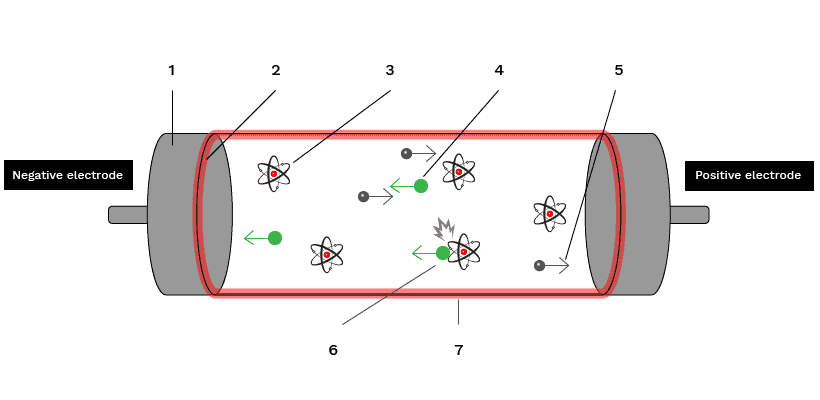
Do neon signs get hot? Neon LED signs consist of clusters of LEDs arranged or affixed to a strip, with these LEDs made from various materials. These LEDs are encapsulated within clear jackets to ensure the emission of bright signs.
However, it's important to note that this brightness is not of a type that can be harmful to your eyes. Additionally, these signs do not require substantial power, allowing for easy dimming when minimal illumination is needed.
These LED neon signs are available in a wide array of colors, ranging from shiny and vibrant versions to those with more subdued color combinations. In some instances, a single LED strip may incorporate LEDs that emit various colors, providing the flexibility to customize your space in unique and extraordinary ways.
>>>See more: Do neon signs use a lot of electricity?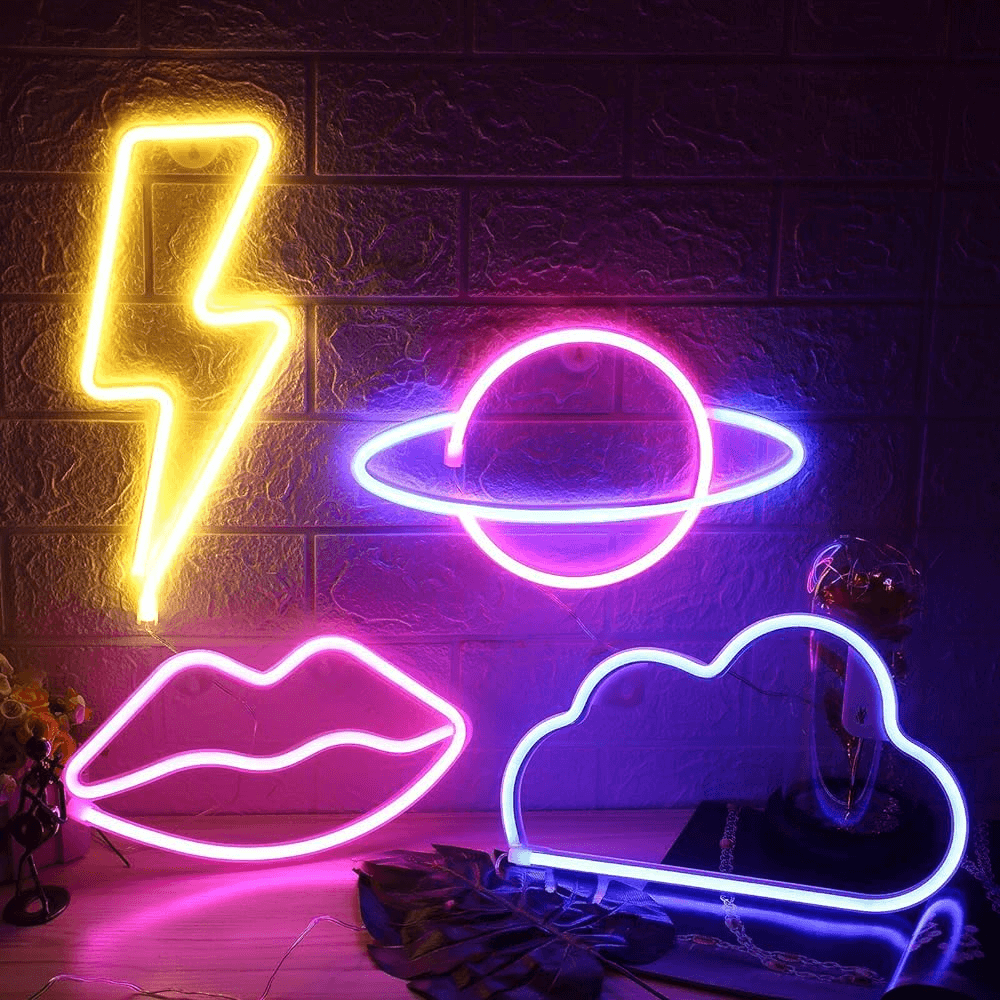
Do neon signs get hot? Indeed, contemporary neon LED signs remain cool to the touch, ensuring their safe usage.
Unlike traditional glass counterparts that rapidly heat up and pose potential health and safety risks, neon LED signage generates significantly less heat. Glass, with its propensity to heat rapidly, may even run the risk of bursting.
In contrast, neon LED signs only reach a lukewarm temperature, eliminating any associated risks, especially when temperatures are at a minimum.
Now, let's delve into some factors that commonly contribute to the production of heat.
In the past, traditional neon signs utilized gas for power, in contrast to their modern counterparts that employ solid semiconductors to generate light. Furthermore, neon LED signs, unlike their older counterparts with fluorescent gas, are cost-effective.
The result is a notable reduction in energy expenses, signifying a higher level of energy conservation.
Traditional neon signs maintained a standard voltage, contributing to their longevity. However, with the advent of neon LEDs, the voltage range shifted from 3-18KV to 24-120V.
While both versions retain longevity and high performance, a notable distinction lies in safety. Neon LED signs stand out as a safer alternative to neon glass signs, notably due to their ability to remain cool and not generate heat.
Glass neon signs have a more adverse impact on the environment compared to neon LED signs. The gas used in glass neon signs presents a greater risk of contaminating the atmosphere, particularly when there is a potential inhalation of mercury. Consequently, LED neon signs emerge as a safer alternative to their glass counterparts.
Moreover, LED neon signs exhibit a softer quality in comparison to their more rigid counterparts. With flexible bodies capable of bending to as little as 3cm, these signs offer easy customization. The strips can be effortlessly cut with scissors, allowing for the creation of various designs, from letters to graphics and shapes.
These signs boast simplicity and enhanced efficiency. Unlike traditional neon glass signs, which elevate their voltage to a range of 220V-15KV to excite gas in tubes, creating monochromatic lights along the outline of the font design.
In contrast, LED signs operate at a lower voltage of 24 volts and emit minimal heat, contributing to ease of handling. This distinguishes them from the intricacies associated with traditional neon signs, where variations in font size can impact the brightness distribution, with larger fonts resulting in a dimmer center.
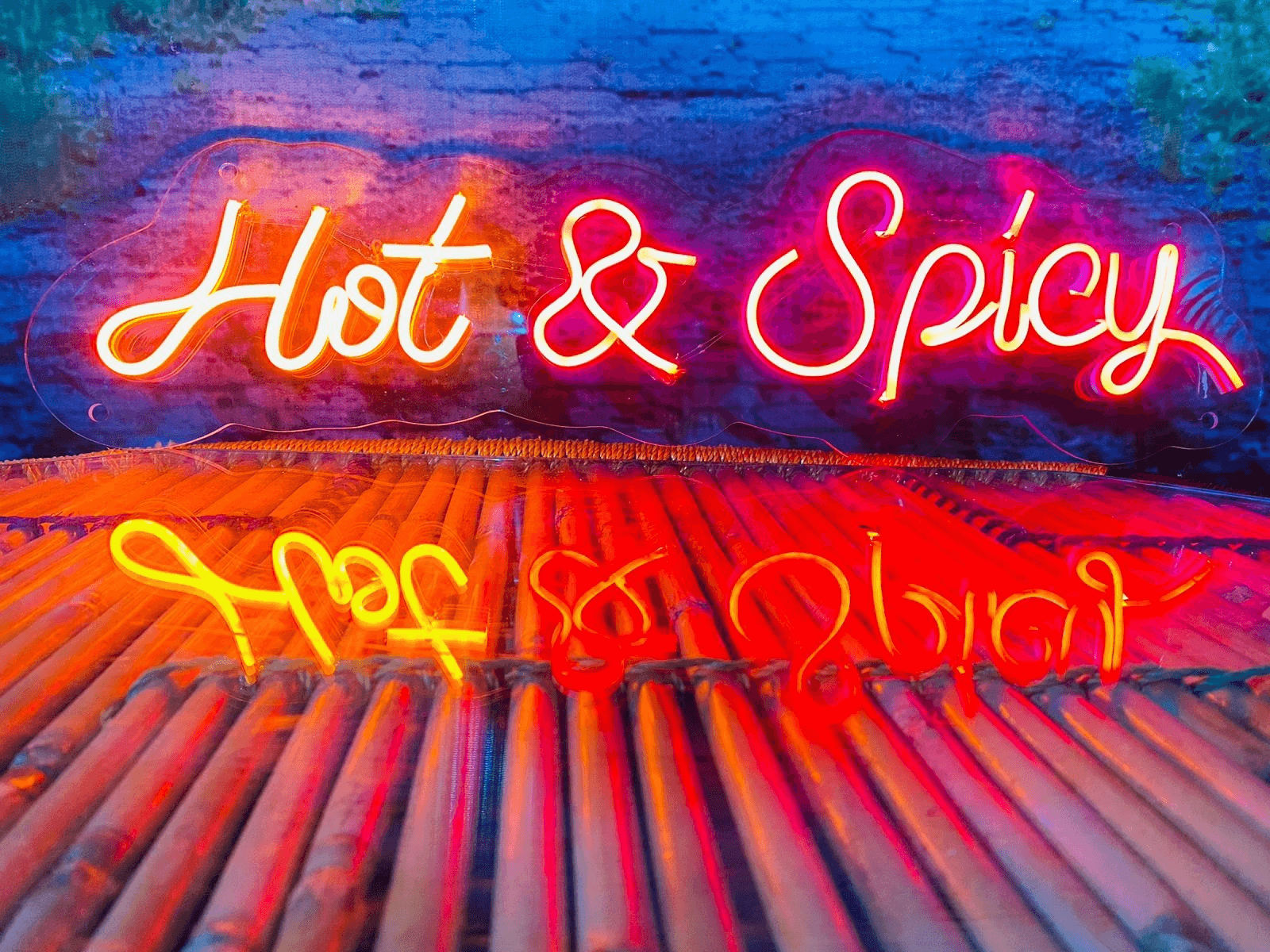
Do neon signs get hot? A primary factor driving the preference for neon LED signs among consumers is their exceptional efficiency. They manage to save nearly 85% of the energy consumption compared to other lighting options.
Whether you intend to install them in compact spaces or expansive areas, the impact on your power bills is notably reduced. In addition to this, there are further advantages that might not be immediately apparent — compelling reasons why opting for these signs is a highly advisable choice.
LED neon signs incorporate multiple built-in LED signs, rendering them environmentally friendly and highly energy-efficient. Concerned about their energy consumption? They utilize nearly the same amount of energy as standard household bulbs. This stands in stark contrast to traditional neon gas signs, which are not only fragile but also pose risks to the environment.
Neon LED signs operate on a 12-volt system powered by a 240-volt transformer, allowing for convenient plug-and-play integration into your office or home power supply.
In contrast, neon gas signs require 18 volts and demand professional installation, typically handled by a qualified electrician for wiring purposes. Their higher power consumption makes them less environmentally friendly compared to the energy-efficient neon LED signs.
In the quest for durable lighting fixtures, navigating the market reveals a dichotomy between genuine brands and counterfeit alternatives, the latter proving to be subpar and a financial drain. Counterfeit options tend to malfunction quickly, rendering them ineffective.
LED neon signs, on the other hand, feature flexible plastic tubes that allow for the creation of diverse shapes, letters, numbers, or graphics. Their malleability makes them resilient and particularly suitable for environments with children.
In contrast, traditional gas neon signs solely consist of glass material shaped through exposure to heat from a fire and subsequent bending to form various shapes. This intricate process renders the product delicate and prone to breakage.
In the event of an antique neon sign falling, breakage is inevitable, rendering it irreparable and unusable. This susceptibility is a driving factor for the increasing preference for LED neon signs.
Even within a spacious room adorned with various lighting fixtures, opting for LED neon signage for illumination is a viable choice without any concerns. These lights exude brightness without being excessively intense for the eyes.
Compared to traditional neon gas signs, LED neon signs boast a 5 to 6% increase in brightness. If you seek a blend of sophistication and functionality in your lighting, this is the ideal choice. It not only imparts a sentimental touch to your space but also stands out prominently.
The era of relying on antiquated neon gas signs has concluded, ushering in a new era of advanced lighting that prioritizes environmental safety, convenience, and energy efficiency.
The versatility of Neon LED signs extends beyond specific areas; they can be seamlessly installed in any part of your home or business premises. Let these lights express your personality and enhance the aesthetics of the space. Beyond their beauty, they remain functional whether or not other lighting fixtures complement the area.
Having considered the information above, you may have addressed the question, "Do neon signs get hot?" After assessing the impact of heat on neon signs, we have concluded that while they do generate heat, it is not considered dangerous. For more insightful information, please visit the Xneonshop website!
For more detailed information and additional support, please contact us through: